In the far southwest of Pakistan, where the Arabian Sea meets the rugged Makran coastline, Gwadar Port is rising as one of South Asia's most ambitious and strategic projects. Once a small fishing village, it is now a global trade hub as part of the China-Pakistan Economic Corridor (CPEC), a project that combines China's logistics vision with Pakistan's development ambition.
Gwadar's location near the Strait of Hormuz - through which 20% of the world's oil passes - gives Beijing direct access to the Arabian Sea without going through the Malacca Strait, shortening the distance and reducing security risks in Chinese trade to the Middle East and Africa. For Pakistan, the port is a symbol of modernization and development in the marginalized province of Balochistan, with new jobs, investments and infrastructure.
Comprehensive Economic Vision
It is estimated that the China-Gwadar-Africa Corridor will create around 25,000 new jobs and contribute up to 30% of Gwadar's GDP by 2027. Chinese companies are also investing in industrial zones, energy and real estate projects, transforming the city into a self-sustaining economic ecosystem, the benefits of which extend to regional supply chains.
A road and rail network connecting Gwadar to the Chinese city of Kashgar is under construction, reducing the transportation time of goods between western China and the Arabian Sea to less than a week. In addition, Gwadar's international airport, solar power and desalination plants are being developed to meet the needs of the population and growing economic activity.
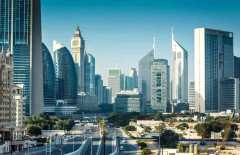
A free zone to rival Dubai and Singapore
Inspired by the experiences of free zones in Dubai and Singapore, the Gwadar Free Zone is entering its second phase of expansion, with significant tax and customs incentives aimed at attracting more than 400 companies in logistics, petrochemicals, technology and tourism.
Sustainability at the heart of the project
For the first time in Pakistan, a solar-powered fishing boat initiative was launched with the support of Chinese companies and local cooperatives, with the aim of protecting the marine environment and improving the income of fishermen.
Challenges and risks
Despite these achievements, the project faces challenges related to security in Balochistan and local opposition to the distribution of land and jobs, raising fears that Gwadar could become a "separate region serving foreign interests." Experts believe that ensuring transparency in contracts, expanding education and healthcare is a prerequisite for maintaining social stability.
Geopolitical dimensions
The rise of Gwadar puts Pakistan at the center of regional competition for ports, with the project intersecting with India's interests in Iran's Chabahar port and the UAE's Jebel Ali. For China, Gwadar is an important link in the Belt and Road Initiative and strengthens its presence in the Indian Ocean.
In the end, Gwadar Port is not just a logistics project, but a strategic statement that reflects Pakistan's ambition to become a regional trading power and China's ambition to secure alternative and sustainable trade routes. Gwadar's success will be measured not only by the volume of ships passing through, but by the economic and social change it brings to Pakistan and the region.



comments