The Eurasian Development Bank (EDB) reported that the global economy continues to register stable growth during the beginning of 2026, driven by the strong performance of Asia's economies, at a time when risks associated with geopolitical tensions are increasing, especially in the Middle East region.
And he explained in a report that "global markets are witnessing a state of increasing anxiety in light of the escalation of geopolitical tensions in the Middle East, especially with the disruption of transit traffic in the Strait of Hormuz, one of the most vital arteries for energy transport in the world."
And in its latest macroeconomic review, the bank said global GDP grew by 3.3% during 2025, supported mainly by emerging markets, especially China and India, which remained the main drivers of global growth. Eurozone economies also showed signs of recovery, while the US economy began to slow, with expectations of a further decline during 2026.
And the report pointed out that inflation rates in the United States and the eurozone have declined over the past year, which prompted central banks to move towards a gradual easing of monetary policies, but this trend may face a setback in light of the escalation of global risks.
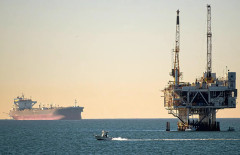
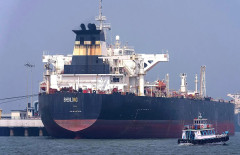
And in this context, the bank warned of the repercussions of the escalating tensions in the Middle East, which led to disruptions in energy supplies, especially with the suspension of the transit of shipments through the Strait of Hormuz, one of the most vital corridors for the transport of oil and gas globally.
And this led to a rise in oil prices by about 30%, and gas prices by more than 50% during the month of March, raising fears of a new inflationary wave at the global level.
And analysts have suggested that rising energy costs could accelerate global inflation and slow economic growth by up to half a percentage point in 2026, which could push central banks to keep interest rates high for longer.
And despite these challenges, the report confirmed that the Central Asian economies continue to perform strongly, recording an average growth of about 7% in 2025, driven by domestic demand and increased investment, which far exceeds the global average.
The EADB concluded that the global economy remains relatively resilient, but mounting geopolitical tensions, volatile energy markets and uncertainty in international trade pose increasing challenges over the coming period.



comments